
Kinh doanh
7 Hidden Benefits Of Omnichannel Strategies You Must Know
Th4
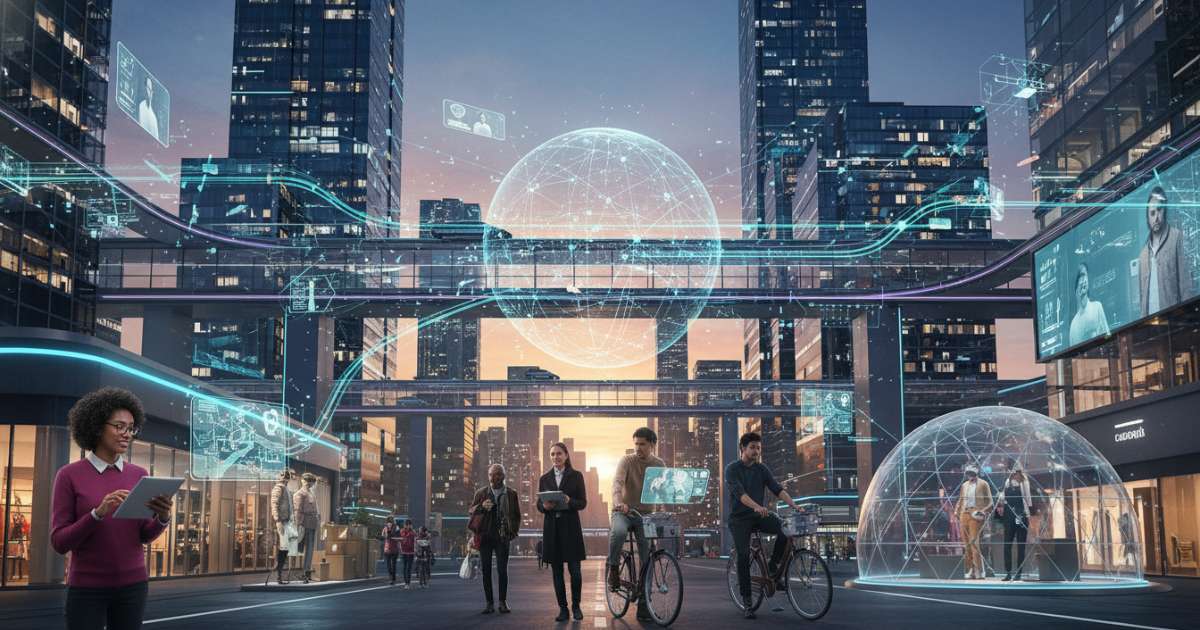
The concept of omnichannel has revolutionized the way businesses interact with their customers in the modern digital era. As consumers move seamlessly between physical stores, mobile apps, social media, and websites, the demand for a unified experience has never been higher. An omnichannel approach ensures that no matter where a customer chooses to engage, the brand message, service quality, and data remains consistent and integrated. This strategy is no longer a luxury but a necessity for companies aiming to stay competitive in an increasingly fragmented market. By focusing on a holistic view of the customer journey, businesses can build deeper relationships and drive long-term loyalty through omnichannel excellence.
Understanding the core concept of omnichannel
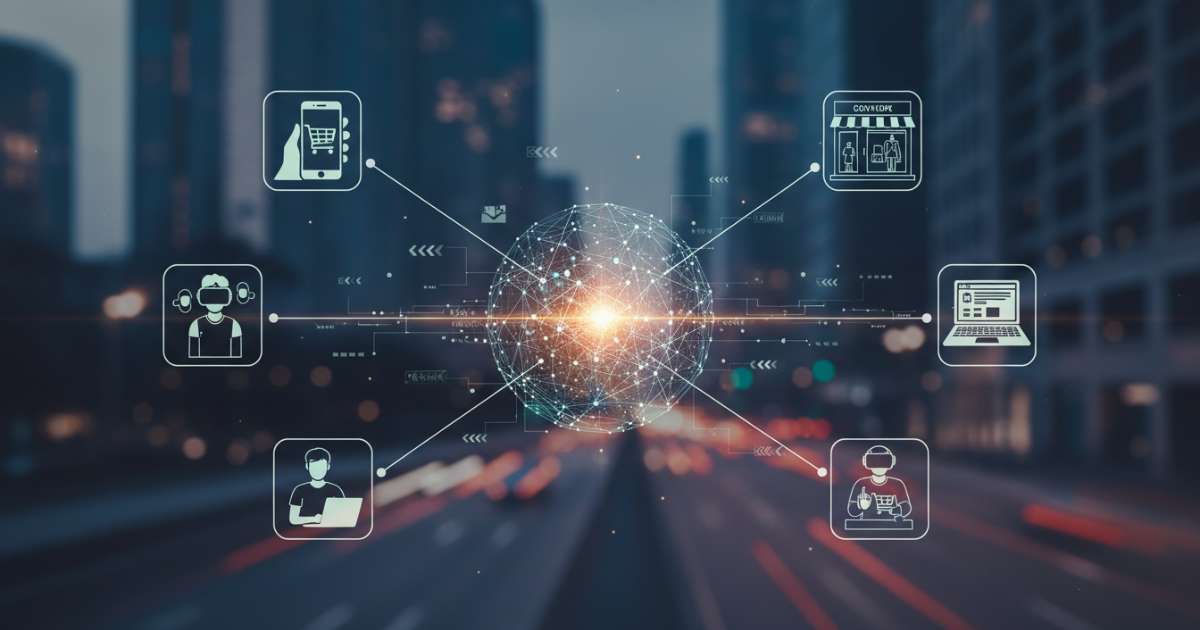
To truly grasp what omnichannel means, one must look beyond simple multi-channel presence. While a multi-channel approach involves being present on various platforms, omnichannel focuses on the integration of these platforms. In an omnichannel environment, the barriers between different communication and sales channels are removed to create a single, fluid experience. This means that a customer can start an interaction on a smartphone and complete it in a physical store without any loss of information or context. The primary goal of omnichannel is to provide convenience and reliability at every touchpoint.
Omnichannel vs multichannel
The distinction between these two terms is crucial for any business strategy. Multichannel marketing involves using several channels to reach customers, but these channels often operate in silos. For example, the social media team might not share data with the retail store team. In contrast, omnichannel ensures that all departments and platforms share a unified database. When a customer interacts with an omnichannel brand, their preferences and history are recognized across all touchpoints, making the omnichannel customer experience much more personalized and efficient than a traditional multichannel setup.
Key components of omnichannel integration
Successful omnichannel implementation requires several foundational elements. First, data centralization is essential to ensure that customer information is accessible in real-time across the organization. Second, technological infrastructure must support the seamless flow of data between online and offline systems. Third, a customer-centric mindset must be adopted by all employees to prioritize the omnichannel journey over individual channel performance. By aligning these components, a business can deliver a truly omnichannel service that meets the high expectations of modern shoppers.
Để triển khai hạ tầng kỹ thuật cho chiến lược đa kênh, nhiều doanh nghiệp ưu tiên lựa chọn các không gian văn phòng cho thuê hiện đại để đặt trung tâm dữ liệu.
Benefits of omnichannel for modern businesses
Adopting an omnichannel strategy offers numerous advantages that directly impact the bottom line. One of the most significant benefits of omnichannel is the improvement in customer satisfaction. When customers feel understood and valued regardless of how they contact a brand, they are more likely to return. Furthermore, omnichannel retailing has been shown to increase the average order value, as customers who engage with multiple channels tend to spend more than those who only use one. The ability to provide a consistent brand image also strengthens market positioning and trust.
Đặc biệt, khu vực văn phòng cho thuê Quận 4 đang trở thành điểm đến lý tưởng cho các startup công nghệ nhờ vị trí kết nối thuận tiện giữa các quận trung tâm.
Improved customer retention and loyalty
Retention is a major focus for any growing company, and omnichannel plays a vital role here. By providing a frictionless experience, businesses reduce the reasons for customers to switch to competitors. An omnichannel approach allows for personalized rewards and targeted communication based on the customer’s entire history. When a brand remembers a customer’s past purchases and preferences across all platforms, it fosters a sense of loyalty that is hard to break. This omnichannel customer experience is the key to building a sustainable and profitable client base.
Increased sales revenue and conversion rates
Sales figures often see a significant boost following the transition to an omnichannel model. Because the omnichannel strategy makes it easier for customers to buy whenever and wherever they want, the likelihood of completing a sale increases. Features like buying online and picking up in-store or checking local stock levels from a mobile app are classic omnichannel tactics that drive conversions. By removing the obstacles to purchase, omnichannel retailing ensures that no sales opportunities are lost due to technical or logistical gaps.
Data collection and advanced analysis
One of the hidden powers of omnichannel is the wealth of data it generates. By tracking customer behavior across multiple platforms, businesses gain a 360-degree view of their audience. This omnichannel data allows for more accurate demand forecasting, inventory management, and marketing optimization. Instead of guessing what customers want, companies can use omnichannel insights to make data-driven decisions. This level of analysis helps in refining the omnichannel marketing efforts to ensure that the right message reaches the right person at the optimal time.
Building an effective omnichannel strategy
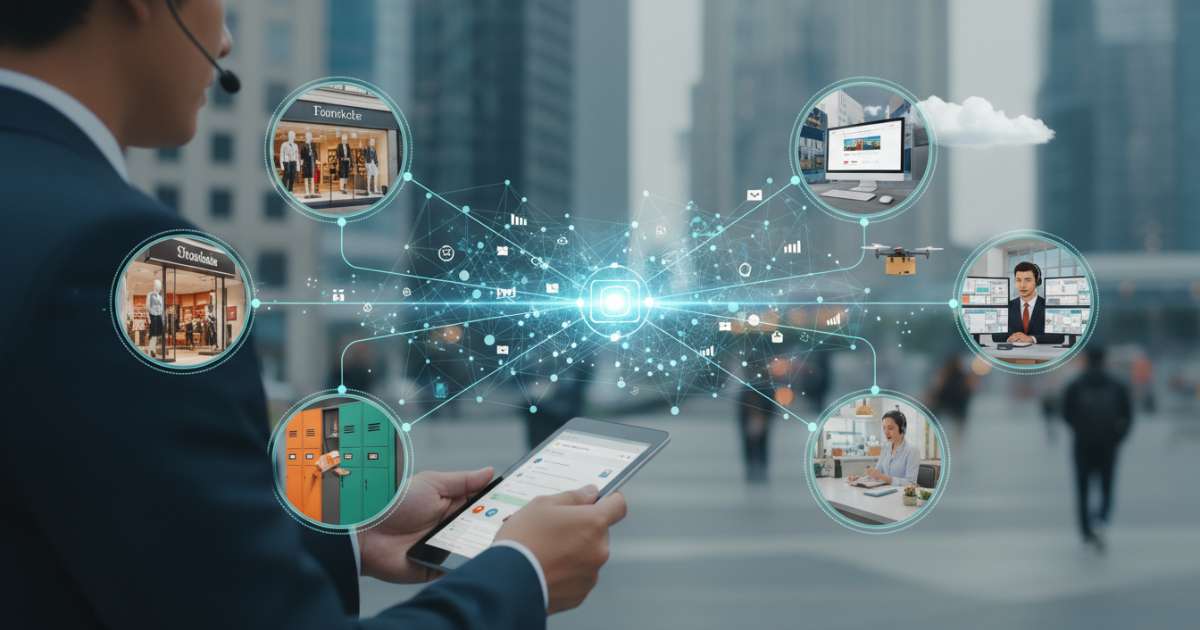
Creating a robust omnichannel strategy requires careful planning and a deep understanding of the target audience. It is not enough to simply launch a mobile app or a website; these tools must work together as part of a larger omnichannel ecosystem. The process starts with identifying the most relevant channels for your specific customer base and then determining how these channels can support each other. A successful omnichannel plan focuses on the user experience first and the technology second, ensuring that the final result is intuitive and helpful.
Customer journey mapping for omnichannel success
To build a great omnichannel experience, you must first understand how your customers move through the buying process. Mapping the customer journey involves identifying every possible touchpoint, from the initial discovery on social media to the final post-purchase support. By analyzing these steps, businesses can find friction points where the omnichannel flow might break down. Improving these transitions is essential for a smooth omnichannel transition. Each stage of the journey should feel like a continuation of the previous one, maintaining a consistent omnichannel marketing voice throughout.
Technology integration and software tools
The backbone of any omnichannel operation is the technology stack used to manage it. This often includes a Centralized Customer Relationship Management (CRM) system, an integrated Enterprise Resource Planning (ERP) platform, and sophisticated marketing automation tools. These systems must be able to communicate with each other to provide a “single source of truth” for customer data. Investing in the right omnichannel software is critical for maintaining real-time updates across web, mobile, and physical locations. Without strong technical integration, the omnichannel promise of a seamless experience cannot be fulfilled.
Organizational alignment and team training
An omnichannel strategy is not just a technical project; it is a cultural shift within the company. All departments, including sales, marketing, customer service, and logistics, must work toward the same omnichannel goals. This requires clear communication and often a change in how performance is measured. Instead of rewarding teams based on channel-specific sales, businesses should look at the overall omnichannel customer lifetime value. Training employees to understand the importance of omnichannel integration ensures that every human interaction reinforces the digital experience.
Omnichannel retailing in the digital age
The retail sector has been the most visible adopter of omnichannel techniques. Modern shoppers expect to browse products on their phones, read reviews on social media, and then perhaps visit a store to try the item on. Omnichannel retailing bridges the gap between the physical and digital worlds, creating a hybrid shopping environment. This approach allows retailers to leverage the strengths of both brick-and-mortar stores and e-commerce platforms. By implementing omnichannel solutions, retailers can stay relevant in a world where pure online players are constantly challenging traditional business models.
Tại tòa nhà Saigon House Quận 4, doanh nghiệp có thể dễ dàng thiết lập môi trường làm việc năng động để tối ưu hóa quy trình vận hành omnichannel.
Inventory management in an omnichannel environment
One of the biggest challenges in omnichannel retailing is keeping track of inventory across multiple locations. Customers expect accurate information regarding product availability when they check a website. An omnichannel inventory system provides real-time visibility into stock levels at warehouses and individual stores. This allows for flexible fulfillment options, such as shipping an online order from a local store to speed up delivery. Managing inventory through an omnichannel lens reduces stockouts and overstock situations, leading to better financial performance and higher customer satisfaction.
Seamless checkout process and payment options
The checkout experience is a critical part of the omnichannel journey. Whether a customer is paying online, via a mobile wallet, or at a physical register, the process should be quick and secure. Omnichannel businesses often offer “save for later” features that allow customers to move items between their online cart and their in-store profile. Providing a variety of payment methods and a consistent interface across all platforms reduces cart abandonment. A smooth omnichannel checkout reinforces the brand’s commitment to convenience and modern service standards.
Personalized shopping experience through omnichannel data
Personalization is the heart of omnichannel retailing. By using the data collected from various touchpoints, retailers can offer tailored product recommendations and exclusive deals. For instance, if a customer frequently buys running shoes online, the omnichannel system can send them a notification about a new arrival when they are near a physical store. This level of relevance is only possible with a fully integrated omnichannel marketing strategy. When personalization is done correctly, it makes the customer feel understood, which is a powerful driver of omnichannel success.
Challenges in omnichannel implementation
While the rewards are significant, the road to omnichannel excellence is often filled with obstacles. Many businesses struggle with legacy systems that were never designed to work together. Transitioning to an omnichannel model requires a significant investment in both time and capital. Furthermore, maintaining a consistent brand voice across dozens of different platforms can be difficult as the company grows. Recognizing these omnichannel challenges early on allows management to develop strategies to mitigate risks and ensure a smoother implementation process.
Siloed data structures and departmental barriers
The biggest enemy of omnichannel is the “silo” mentality. In many organizations, different departments guard their data and processes, making integration nearly impossible. Breaking down these silos is a prerequisite for any omnichannel initiative. It requires a top-down mandate to share information and collaborate on omnichannel projects. Without a unified view of the customer, the omnichannel strategy will inevitably fail, as customers will encounter conflicting information or repetitive requests for their data as they move between channels.
High initial costs and resource allocation
Building a high-quality omnichannel infrastructure is expensive. Costs can include new software licenses, hardware upgrades, and the hiring of specialized talent. Small and medium-sized enterprises may find the initial omnichannel investment daunting. However, it is important to view these costs as a long-term investment in the company’s survival and growth. A phased approach to omnichannel implementation can help manage costs by focusing on the most impactful channels first before expanding to the entire ecosystem.
Maintaining brand consistency across all platforms
Consistency is a hallmark of a great omnichannel brand. However, as the number of channels increases, keeping the messaging, visual identity, and service levels uniform becomes a major task. An omnichannel brand must ensure that its personality is recognizable whether a customer is reading an email, talking to a chatbot, or visiting a flagship store. Discrepancies in branding can lead to confusion and a loss of trust. Developing comprehensive omnichannel brand guidelines is essential for keeping all teams aligned and ensuring a professional image at every point of contact.
The future of omnichannel marketing
The landscape of omnichannel is constantly evolving as new technologies emerge. We are moving toward a future where the lines between reality and digital interaction are even more blurred. Omnichannel marketing will continue to become more proactive, using predictive analytics to anticipate customer needs before they even express them. As artificial intelligence and machine learning become more accessible, the ability to deliver a perfect omnichannel customer experience will become the standard rather than the exception. Staying ahead of these trends is vital for any business committed to an omnichannel future.
Artificial intelligence and automation in omnichannel
AI is set to play a massive role in the next generation of omnichannel strategies. From intelligent chatbots that provide instant support to AI-driven inventory management, the possibilities are endless. Automation allows omnichannel businesses to scale their personalized efforts without a massive increase in headcount. For example, AI can analyze omnichannel data to trigger automated marketing campaigns that are highly relevant to each individual user. This level of efficiency is what will define the leaders in the omnichannel space in the coming years.
Hyper personalization and the use of big data
We are entering an era of hyper-personalization, where omnichannel experiences are tailored to the minute details of a customer’s life. By leveraging big data, companies can understand not just what a customer buys, but why and when they buy it. This omnichannel insight allows for the creation of unique experiences that feel truly personal. Whether it is a customized website interface or a personalized in-store greeting, hyper-personalization is the ultimate goal of a mature omnichannel strategy. It transforms the relationship from a simple transaction to a meaningful connection.
Voice commerce and emerging channels
As smart speakers and voice assistants become common in households, voice commerce is emerging as a new frontier for omnichannel. Integrating voice search and purchasing into the omnichannel ecosystem is the next step for forward-thinking retailers. Additionally, technologies like augmented reality (AR) allow customers to “try on” products virtually, adding another layer to the omnichannel retailing experience. Adapting to these new channels quickly will be a key differentiator for brands that want to maintain their omnichannel edge in a rapidly changing technological environment.
Finding the right environment to grow your business and implement a modern omnichannel strategy is essential for long-term success. Regus offers professional office spaces that provide the flexibility and infrastructure needed for teams to collaborate effectively on complex omnichannel projects. By choosing a Regus office, you position your company in a prime location with access to high-quality amenities, allowing you to focus entirely on your core business objectives and omnichannel growth.
The global network provided by Regus ensures that your business can scale its omnichannel operations across different regions with ease. Whether you need a dedicated office, a co-working space, or a professional meeting room to discuss your next omnichannel marketing campaign, Regus has the perfect solution. Join thousands of successful companies that trust Regus to provide the professional foundation they need to thrive in today’s integrated business world.
🌐 Website 1: https://regus.info.vn/
🌐 Website 2: https://kingofficehcm.com/
